A practical summary for performance, health, and daily life
Perimenopause & Menopause are important phases that deserve awareness and the right approach.
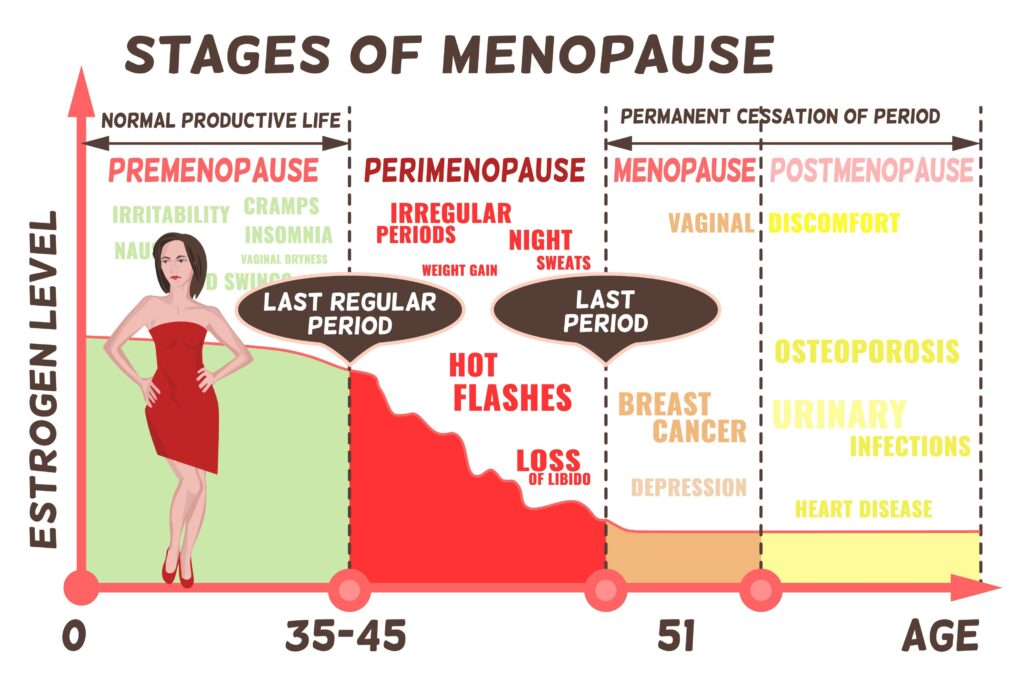
Perimenopause is not a steady decline. It is a phase of instability.
Perimenopause can feel confusing and, at times, frustrating. Many women describe it as a phase where their body no longer responds the way it used to — even though they haven’t changed much. Energy becomes less predictable, sleep may feel lighter or more disrupted, and recovery takes longer. It’s not a loss of control, but it can feel like your body is speaking a different language than before.
As oestrogen rises and falls unpredictably and progesterone steadily drops, many women experience disrupted sleep, low energy, increased stress sensitivity, and changes in body composition. The key is not to override these signals, but to start tuning into them—learning when your body needs fuel, rest, or support rather than more pressure.
The solution is not to eat less and train harder, but to support your system more intelligently through targeted nutrition (including adequate carbohydrates), proper hydration and electrolytes, structured training, and intentional recovery. When you begin to listen instead of pushing, your body becomes more stable, resilient, and capable again.
Why You Feel Off, Tired, Wired, and Not Like Yourself
If things suddenly feel off, even though you’re doing everything the same, there is a reason for it.
You might notice:
• You wake up at 3 AM, wide awake.
• Your training suddenly feels harder with less output.
• You feel anxious, but cannot explain why.
• Your body composition shifts despite doing “everything right”.
• You sweat more, especially at night.
• You need to pee more often.
• Your cycle becomes irregular or unpredictable.
• You feel tired, but wired.
This is not a lack of discipline.
This is perimenopause.
It’s Not a Decline. It’s Instability.
Perimenopause is often misunderstood as a slow hormonal decline.
In reality, it is a phase of hormonal chaos.
Estrogen does not just drop. It fluctuates dramatically.
Some days it is high, other days it crashes.
This explains:
• Mood swings
• Brain fog
• Water retention
• Sudden fatigue
• Night sweats
• Increased sensitivity to stress
At the same time, progesterone steadily declines.
This combination creates the classic feeling of:
Overstimulated but under-recovered.
The Estrogen Bounce: Why Your Symptoms Feel Random
These estrogen fluctuations affect multiple systems at once:
• Brain → focus, mood, anxiety
• Metabolism → fat storage, insulin sensitivity
• Temperature → hot flashes, sweating
• Bladder → increased urination
• Vaginal tissue → dryness, irritation and increased sensitivity
As oestrogen levels fluctuate and decline, the tissues of the vaginal and urogenital area become thinner, less elastic, and less well-lubricated. This can lead not only to dryness, but also to irritation, burning, discomfort during intercourse, and a higher susceptibility to infections. Many women also notice a general feeling of fragility or increased sensitivity in this area.
A common but often under-discussed extension of these changes is:
→ Frequent urination, especially at night, as well as increased urgency or a reduced ability to “hold” urine comfortably.
This happens because oestrogen plays a key role in maintaining the strength, elasticity, and integrity of the tissues in the bladder, urethra, and pelvic floor. As this support declines, the bladder can become more sensitive and less stable.
Targeted support can include:
• Local vaginal estrogen (low systemic impact, highly effective for tissue health, hydration, and resilience)
• Individualized hormone therapy when appropriate.
• Pelvic floor support (awareness, relaxation, and strength where needed).
• Adequate hydration and electrolyte balance to support tissue function.
Addressing these symptoms early can significantly improve comfort, confidence, and overall quality of life.
Progesterone: The Missing Calm
Progesterone is often the first hormone to decline.
Its role is underestimated.
It supports:
• Deep sleep
• Nervous system regulation
• Stress buffering
When progesterone drops, women often experience:
• Difficulty falling asleep
• Waking during the night
• Anxiety or inner restlessness
• Reduced stress tolerance
This is why you can feel:
Exhausted but unable to fully relax.
Why Stress Suddenly Feels Different
During perimenopause, your body becomes more dependent on the adrenal system.
This increases sensitivity to:
• Training stress
• Work stress
• Emotional stress
• Undereating
If your “system” is overloaded, you may notice:
• Belly fat increase
• Constant fatigue
• Reduced recovery
• Sleep disruption
This is not a motivation problem.
It is a stress regulation problem.
Sleep Is a Catabolic Phase (And Why You Wake Up)
Sleep is not passive recovery. It is metabolically active.
During the night:
• Blood sugar drops
• Glycogen is used
• Stress hormones may rise
In perimenopause, this becomes more pronounced.
You may wake up:
• Sweating
• Alert
• Hungry
• Needing to urinate
Contributors include:
• Low progesterone
• Estrogen instability
• Blood sugar fluctuations
• Electrolyte imbalance
Nutrition Mistakes That Make Everything Worse
Many women respond to these changes by:
• Eating less
• Cutting carbs
• Focusing only on protein and “clean eating”
This often backfires.
Carbohydrates are critical for:
• Nervous system stability
• Sleep quality
• Hormonal balance
• Cortisol regulation
Without enough carbohydrates, the body is placed under additional stress.
This leads to:
• Worse sleep
• More fatigue
• Increased cravings
• Reduced performance
Carbs are not optional in this phase.
Hydration, Salt, and Night Sweats
With declining estrogen:
• Fluid balance shifts
• Sweating increases
• Electrolyte needs change
Especially if you train or sweat heavily, low sodium can contribute to:
• Night waking
• Restlessness
• Poor recovery
Adding adequate salt and electrolytes can make a measurable difference.
Strength Training: A Hormonal Tool, Not Just Fitness
Strength training becomes one of the most powerful interventions.
Not for aesthetics, but for:
• Hormonal signaling
• Muscle preservation
• Bone density
• Metabolic stability
It helps counter:
• Insulin resistance
• Muscle loss
• Fat gain
This is about long-term resilience, not short-term burn.
Evening Matters More Than Ever
Your nervous system needs clearer signals to wind down.
Simple but effective strategies:
• Reduce light and screen exposure
• Eat a balanced evening meal (include carbs + salt)
• Gentle movement or breathwork
• Warm shower or calming routine
The goal is to shift the body into:
recovery mode, not survival mode
What Your Body Needs Now
Instead of pushing harder, the strategy shifts to:
support, stabilize, and align.
Practical Daily Tips
• Eat regularly. Avoid long gaps without fuel.
• Include carbohydrates daily, especially in the evening.
• Add salt, particularly if you sweat or wake at night.
• Start your day with proper refueling, protein, carbs, and Fat, not just coffee.
• Prioritize strength training 2–3x per week.
• Adjust endurance training to support recovery, not drain it.
• Build a consistent wind-down routine.
• Track your symptoms, not just your cycle.
• Consider professional guidance for hormone support if needed.
Final Thought
Perimenopause is not the end of performance.
It is a transition that requires a different strategy.
When you understand:
• Your hormones
• Your nervous system
• Your fueling
You can move from:
feeling out of control → to working with your body again.
Difference between perimenopause and menopause
Perimenopause is the transition phase leading up to menopause.
It can start several years before menopause (often late 30s to mid-40s) and is characterized by hormonal fluctuations, especially in estrogen and progesterone.
Menopause is not a phase — it is a defined point – one single day.
Medical definition:
Menopause is officially reached when a woman has had no menstrual period for 12 consecutive months, without other medical causes.
After this point:
- ovarian function has significantly declined
- estrogen and progesterone levels remain consistently low.
What comes after
After menopause, a woman is in postmenopause:
- Hormones stay low and stable
- Symptoms may continue, but often become more predictable.
- Focus shifts even more toward long-term health (bone, metabolism, cardiovascular system)
Simple summary
- Perimenopause = Transition with fluctuating hormones.
- Menopause = The moment (12 months without a period).
- Postmenopause = The phase after, with stable low hormones.
Wanna get in harmony with your cycle?
Drop me a line and apply for your personal coaching journey back to a powerful life. Find out more here